Skip to content

Education

Education.

Biological sciences, nutrition and specialist training.

01Università Politecnica delle Marche

BSc in Biological Sciences

Degree class
L-13
Awarded
18 December 2024
Academic year
2023/2024
Department
Dipartimento di Scienze della Vita e dell’Ambiente
University website(opens in a new tab)
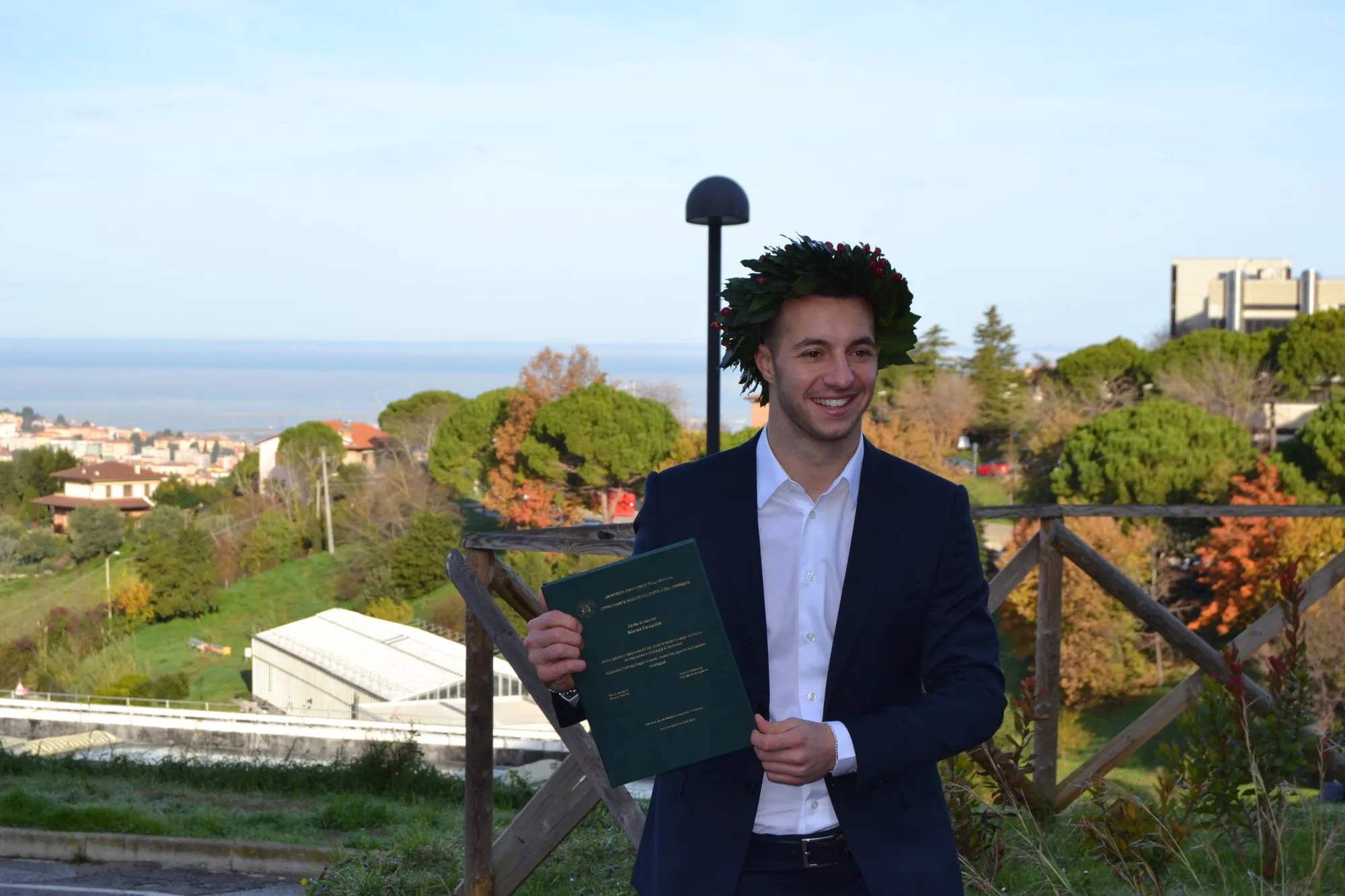
Gaetano wearing a laurel wreath and holding his degree certificate outdoors
BSc in Biological Sciences, 18 December 2024
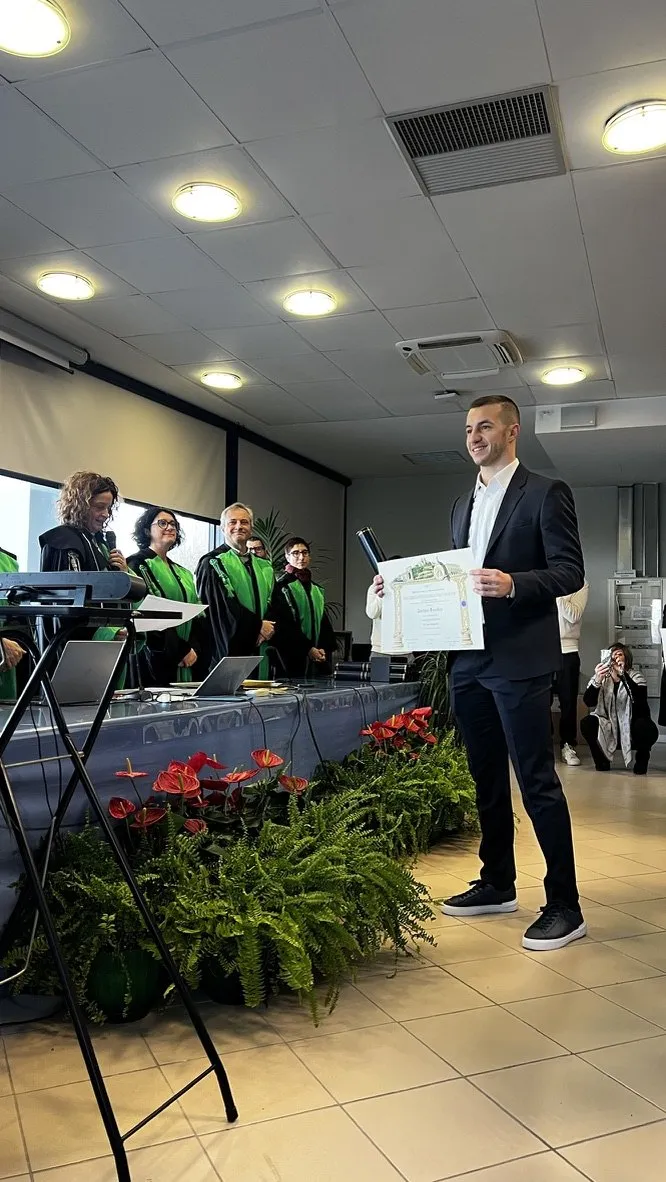
Gaetano holding his degree certificate in front of the graduation committee
The graduation ceremony, Università Politecnica delle Marche

Bachelor’s dissertation

Microrganismi responsabili del deterioramento degli alimenti: conseguenze e strategie di controllo

Microbial food spoilage: impact, causative agents and control strategies

Based on the review by Snyder, Martin and Wiedmann published in Nature Reviews Microbiology in 2024, the dissertation examines microbial food spoilage as one of the main drivers of food waste, estimated at 15–20% of food produced. It describes the main organisms involved, such as Pseudomonas, spore-forming bacteria (Bacillus, Clostridiales) and fungi, and the role of factors such as oxygen, water activity and pH. It looks at the economic, environmental and social consequences and reviews prevention and control strategies along the supply chain, up to innovative tools such as systems models and genomic technologies for reducing waste sustainably.

Supervisor: Prof.ssa Carla Vignaroli

Reference article: Snyder, A.B., Martin, N. & Wiedmann, M. Microbial food spoilage: impact, causative agents and control strategies. Nat Rev Microbiol 22, 528–542 (2024). ↗

A bachelor’s dissertation based on the scientific literature: it is neither a peer-reviewed publication nor original experimental research.
02Alma Mater Studiorum – Università di Bologna

MSc in Nutrition, Wellbeing and Health

University website(opens in a new tab)
Degree class
LM-61
Enrolled
January 2025
Status
Ongoing · second year (November 2026)

The master’s degree has not yet been awarded.

03CREA · Albo Nazionale

Honey sensory analysis

Alongside my university studies, I chose to deepen my knowledge of honey through the national training programme in sensory analysis.

I have completed the first two levels of the training that leads to registration in the National Register of Experts in Honey Sensory Analysis.

The training has given me a closer understanding of honey’s organoleptic characteristics, the recognition of different botanical origins, sensory evaluation and the identification of the main quality defects.

My goal is to complete the third level and sit the examination required for registration.

It is a path that brings together my scientific interests and my knowledge of the sector I work in.

Progress

  1. Level I

    CREA, Bologna, 16–19 February 2026

    Completed
  2. Level II

    CREA, Bologna, 19–21 October 2026

    Completed
  3. Level III, course and examination

    To be completed
  4. Registration in the Register

    Not yet obtained

I am not registered: the path is in progress.

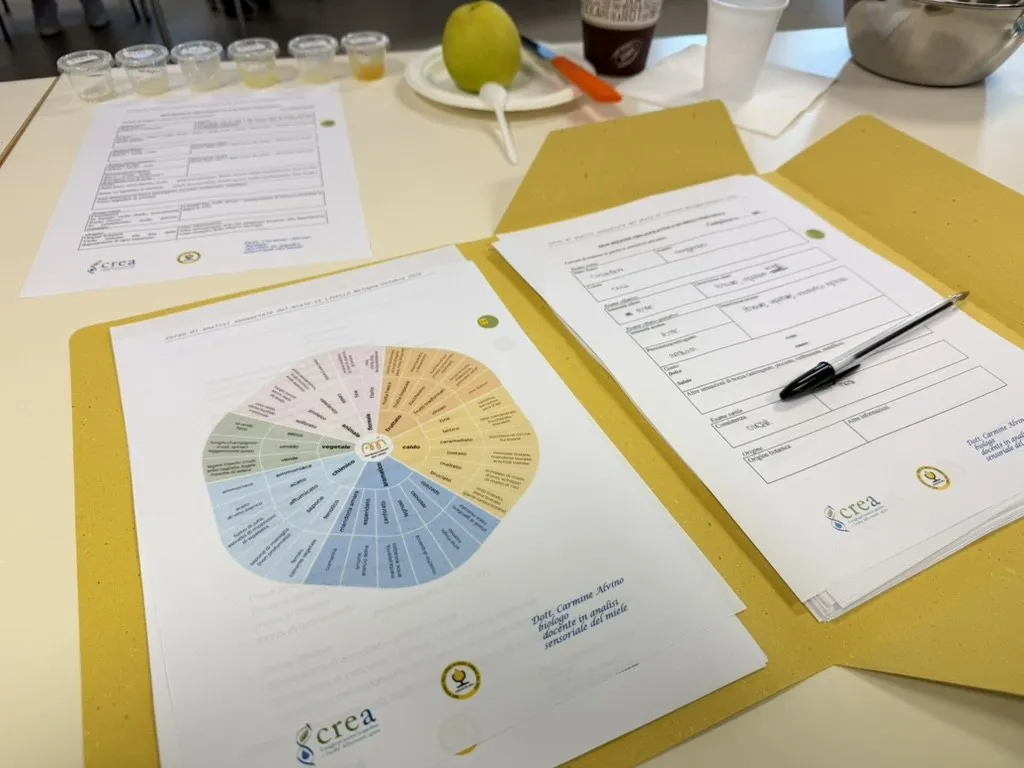
Tasting sheets and a honey aroma wheel on a table
Honey sensory analysis course, level II
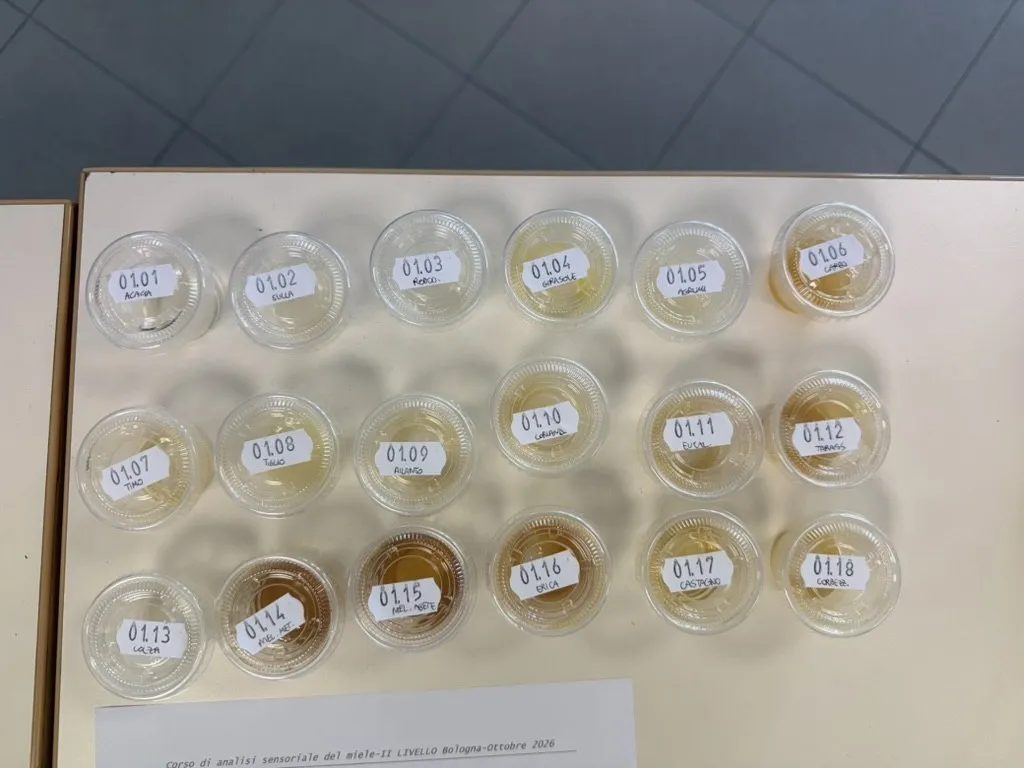
Numbered glasses holding honey samples for tasting
Honey samples for tasting

The national Register

The National Register of Experts in Honey Sensory Analysis is governed by Ministerial Decree no. 293005 of 30 June 2025. Training is organised in three levels, and admission to the Register requires passing a final examination. As of 1 October 2026 the Register had 468 members.

Areas of interest

Fields of study.

Areas of study and scientific interest, not professional specialisations. I do not practise as a health professional.

  • Biology
  • Human nutrition
  • Food science
  • Physiology
  • Microbiology
  • Sports nutrition
  • Energy metabolism
  • Performance
  • Food innovation
  • Sustainable food systems